A specialist website by Oxford Industrial Automation

UK robot & vision integration · 01865 416830

Food product sorting and handling

Food vision sorting and robotic handling systems

Grade, locate, orient, sort and robotically handle unpackaged or openly presented food products at production speed. Imaging, hygienic integration, product flow, format change and reject containment are developed around the actual line.

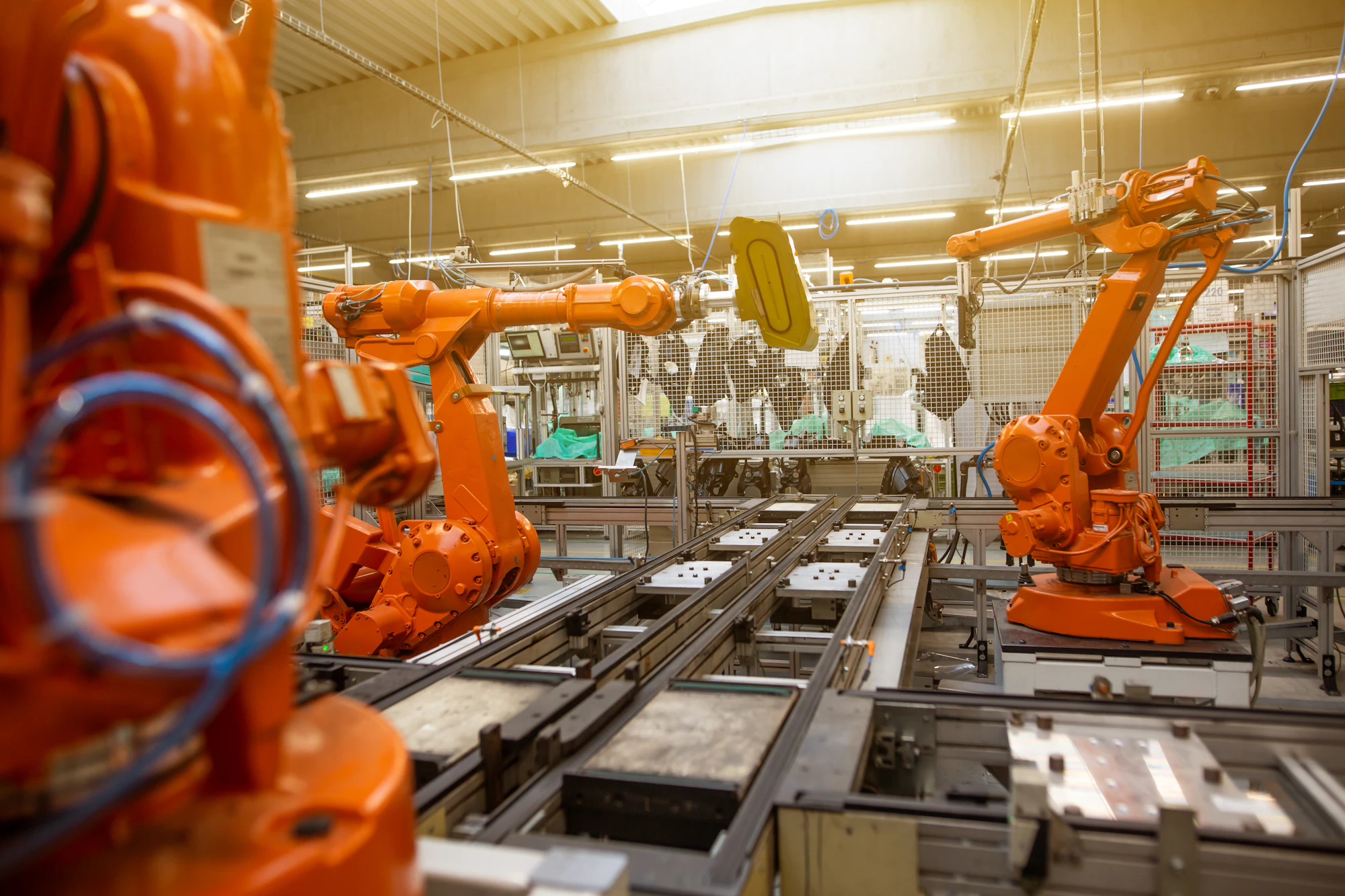
Orange industrial robot arms beside production equipment.
ApplicationsInspect, identify and sort
HandlingRobot or reject device
IntegrationExisting or new lines

Direct answer

How is machine vision used for food sorting and handling?

Machine vision can assess visible product attributes, locate food items on a conveyor and control a robot or reject device for grading, orientation and placement. This page focuses on product sorting and handling; finished-pack labels, codes and closures are covered by our packaging inspection guidance.

01 / Product variation

Separate real defects from normal variation

Food products can change shape, colour, position and surface appearance. Representative trials define which visible grading and location features remain stable enough for rules-based or AI-assisted decisions.

  • Product grade, colour, shape and visible surface condition
  • Product presence, count, orientation and visually accessible fill level
  • Product location for conveyor tracking and robotic pick-and-place
  • Visible foreign-object or anomaly screening where feasible and proven
02 / Production environment

Engineer for operation, cleaning and changeover

Mounting, lighting, enclosures, access and product-contact decisions follow from the line environment. The system should remain usable across cleaning, format change and normal operator recovery.

  • Hygiene and material requirements
  • Washdown and cleaning review
  • Recipe-controlled formats
  • Reject confirmation and containment

Decision to action

Engineer the complete production loop.

Each stage is designed against representative products, real timing and the required physical outcome.

01

Present

Control the product through the inspection or pick zone.

02

Inspect

Apply stable lighting and the required decision method.

03

Track

Maintain identity as the product moves downstream.

04

Act

Pick, place, route, reject or record the result.

Application opportunities

Where this capability can fit.

Final suitability follows from the product, presentation, rate, environment and acceptance criteria.

Visible product grading and inspection
High-speed robotic sorting
Tray and controlled pattern loading
Product variant classification
Variant and flavour routing
Confirmed reject containment

Questions manufacturers ask

Food sorting and handling questions.

Use these answers to frame the first application review and the evidence needed next.

Can vision inspect naturally variable food products?

Potentially. The acceptable natural range and true defect classes must be defined from representative samples. AI-assisted classification may help where appearance cannot be expressed with simple rules.

Can vision replace X-ray, metal detection or leak testing?

No. Camera vision only evaluates features visible from the designed viewpoints. It does not prove internal contamination, seal integrity or leaks and does not replace X-ray, metal detection or validated leak testing where those controls are required.

Can one system handle several product formats?

Yes where the camera view, lighting, tooling, handling and reject mechanism cover the range. Recipes and changeover checks are designed around the actual products and line formats.

Can inspection results be retained for traceability?

Yes where required. The record content, product identifier, retention period and connection to line or business systems are defined for the application.

Start with the production task

Show us what the system needs to see and move.

Use the project brief form, or email product photos or video with the target output, current layout and required decision. We will define the next technical step.

Project brief