Buyer and engineering resources
Machine vision system guides
Plan the technology, evidence, scope and business case before committing to a camera or robot architecture.
Useful before quotation
Make the production decision clear first.
Good system selection starts with the product, presentation, required decision, physical response, target rate and acceptance method. These guides turn those inputs into practical project questions.
Planning resources
Choose, specify and justify the system.
Each guide answers a focused buyer question and links directly to the relevant application pages.
2D versus 3D robot vision
Choose the simplest imaging method that captures the height, depth, pose or surface information the task genuinely needs.
Read the guide ↗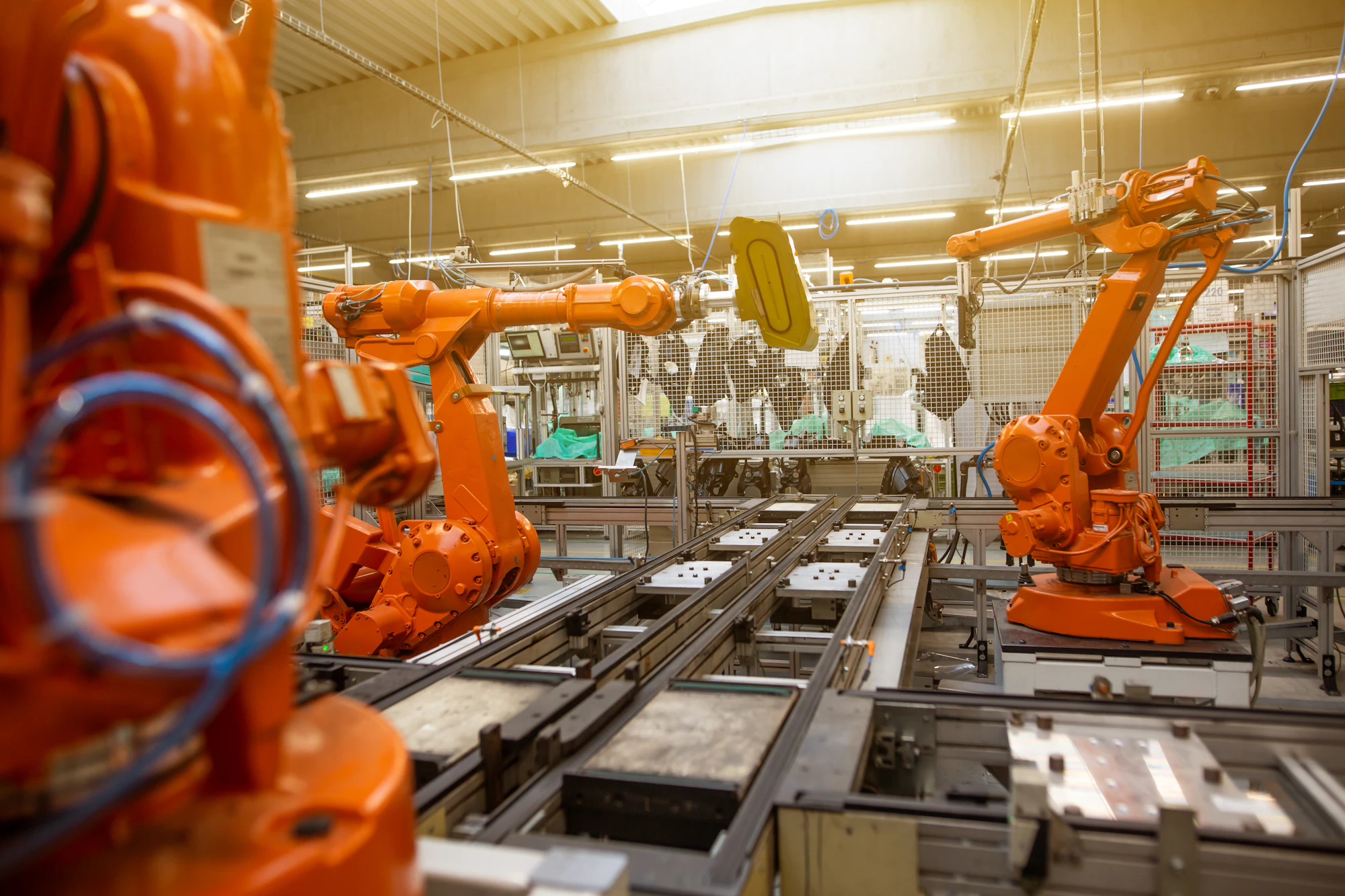
Delta vs SCARA vs six-axis vs cobot
Compare speed, payload, reach, pose, tooling, environment and the complete timing budget for vision-guided work.
Read the guide ↗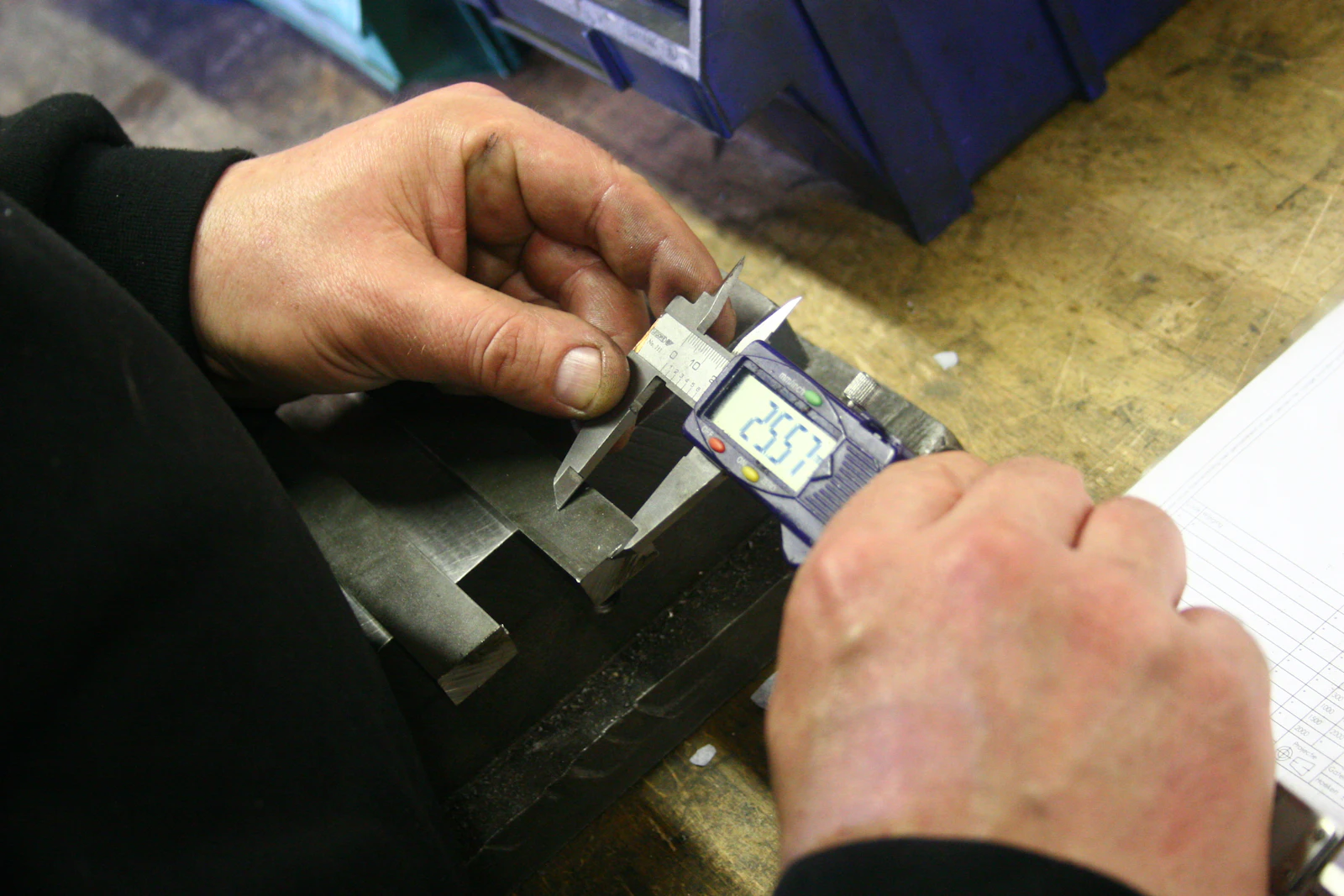
AI versus rule-based machine vision
Use deterministic tools for clear limits and learned models where representative data supports variable appearance decisions.
Read the guide ↗Fixed versus robot-mounted cameras
Compare stable fixed viewpoints with flexible eye-in-hand imaging for guidance, coverage and multi-view inspection.
Read the guide ↗Vision for difficult products
Plan trials for reflective, transparent, black, deformable, overlapping or naturally variable products.
Read the guide ↗Vision system cost and payback
Understand whole-system cost drivers and build a payback model from labour, quality, scrap, downtime and capacity evidence.
Read the guide ↗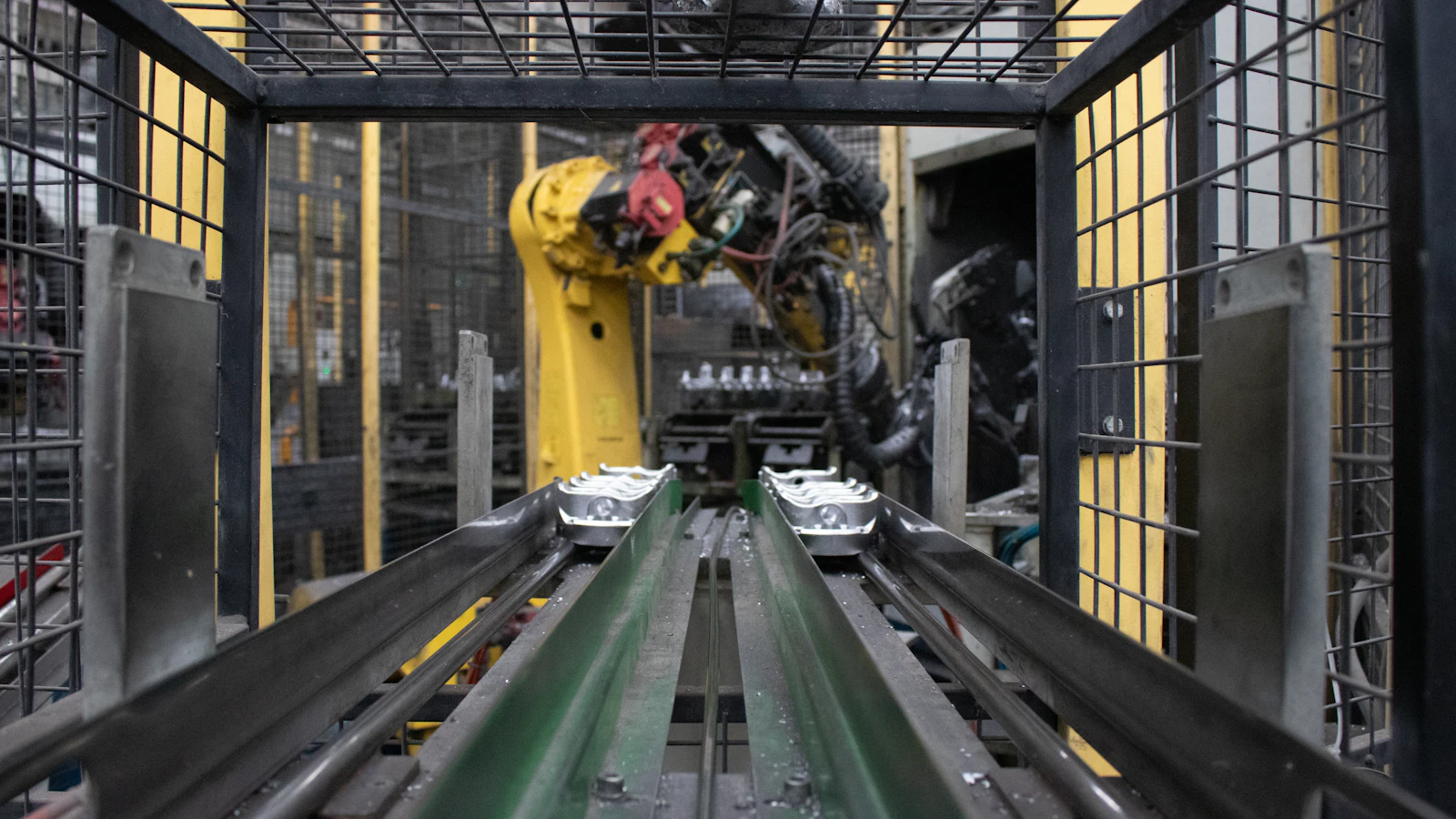
Vision sorting specification checklist
Prepare representative samples, line data, interfaces, acceptance criteria and the required physical production response.
Read the guide ↗Prepare an application review
Send the product, process and required outcome.
Photos, video, sample variation, line rate and available layout help us define the next technical step.