A specialist website by Oxford Industrial Automation

UK robot & vision integration · 01865 416830

Project planning guide

Vision sorting specification checklist

A useful enquiry explains the production decision and physical outcome before naming a camera or robot. Use this checklist to gather the evidence needed for a focused concept, trial and quotation.

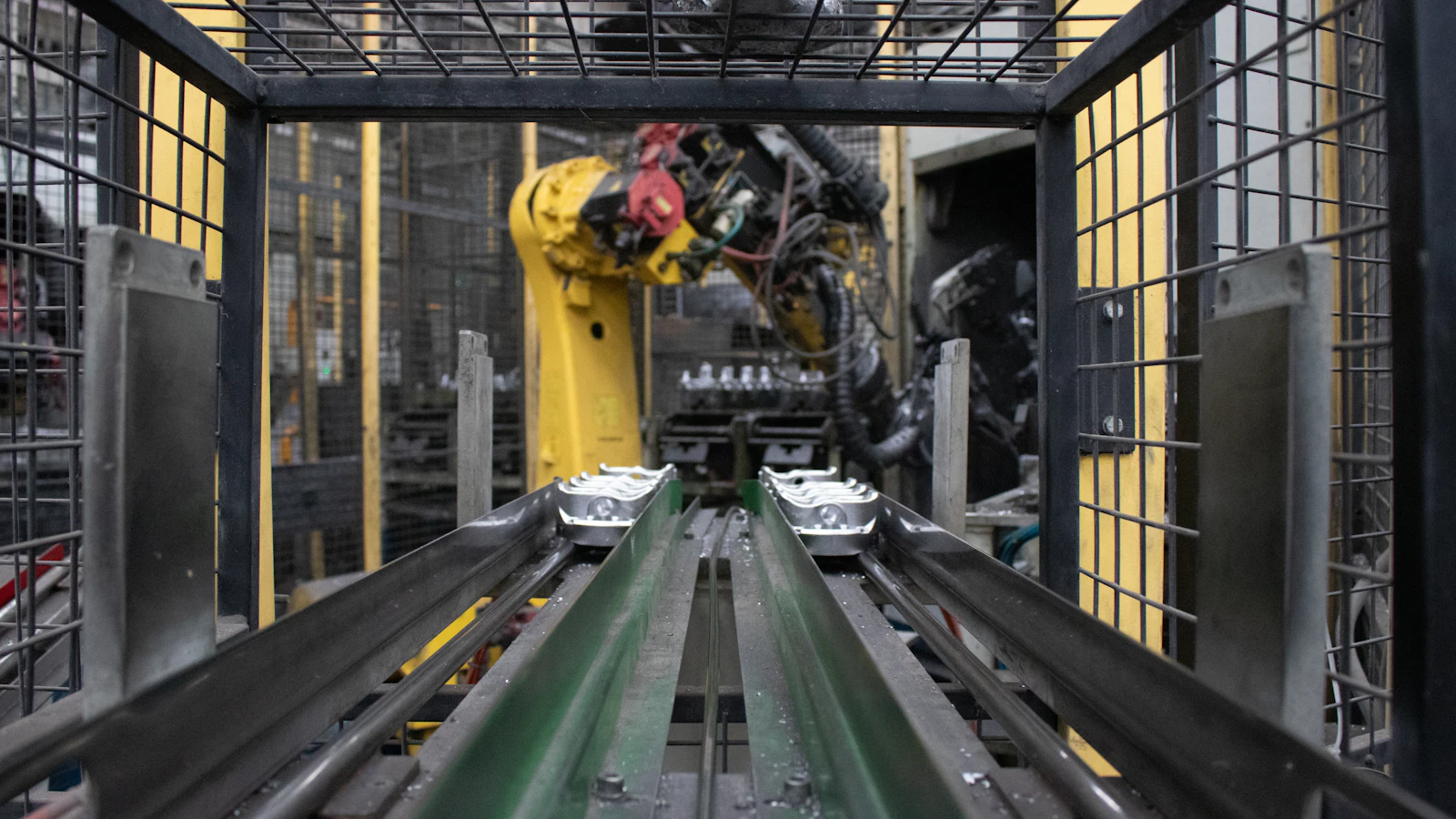
A yellow industrial robot behind metal components on guarded conveyor tracks.
ProductRange and variation
ProcessRate and interfaces
AcceptanceDefined test result

Direct answer

What information is needed to specify a vision sorting system?

Provide representative products, good and reject examples, dimensions and weight, current process video, target rate, presentation, destinations, format range, available layout, upstream and downstream equipment, controls and the acceptance result the project must prove.

01 / Product evidence

Show the normal range and difficult edge cases

A small ideal sample rarely represents production. Include natural variation, known defects, contamination, reflective finishes, damaged packaging, worst-case orientation and the formats expected during the system life.

  • Dimensions, weight and centre of gravity
  • Good, reject and borderline samples
  • Surface, colour and transparency variation
  • Gripping restrictions and product fragility
02 / Process evidence

Define where the result must become an action

The system needs enough time and distance to capture, decide, track and act. A process video and layout help identify conveyor behaviour, accumulation, operator access and downstream constraints.

  • Current and target product rate
  • Pitch, speed and presentation method
  • Destinations, placement and reject requirements
  • Available space, services and line controls

Decision to action

Engineer the complete production loop.

Each stage is designed against representative products, real timing and the required physical outcome.

01

Define

State the decision and required physical outcome.

02

Evidence

Collect representative samples, video and line data.

03

Accept

Agree how performance will be tested and measured.

04

Deliver

Set responsibilities for integration, training and support.

Application opportunities

Where this capability can fit.

Final suitability follows from the product, presentation, rate, environment and acceptance criteria.

Faster application review
Better vision trials
Comparable project proposals
Clear interface ownership
Testable acceptance criteria
Reduced scope uncertainty

Questions manufacturers ask

Clear answers before specification.

Use these answers to frame the first application review and the evidence needed next.

How many product samples should be provided?

Enough to represent the normal range, known defects and difficult edge cases. The number depends on the variation and decision; the trial plan should state what evidence is needed.

Should the required accuracy be stated as a percentage?

Only where it is defined against a representative sample and test method. State defect classes, false decision treatment, confidence rules and the physical containment response.

Why is a process video useful?

It shows product presentation, speed, accumulation, operator actions, upstream disturbances and available pick or reject distance that may not appear on a layout drawing.

What should an acceptance test include?

Representative formats and variation, known rejects, target rate, normal sequences, no-read or uncertain decisions, reject confirmation, faults and safe recovery should all be considered.

Start with the production task

Show us what the system needs to see and move.

Use the project brief form, or email product photos or video with the target output, current layout and required decision. We will define the next technical step.

Project brief