A specialist website by Oxford Industrial Automation

UK robot & vision integration · 01865 416830

Business case guide

Vision system cost and payback

A camera price is not a project price. The business case should include image acquisition, product handling, controls, rejection, safety, installation, validation, training and the measurable production benefit.

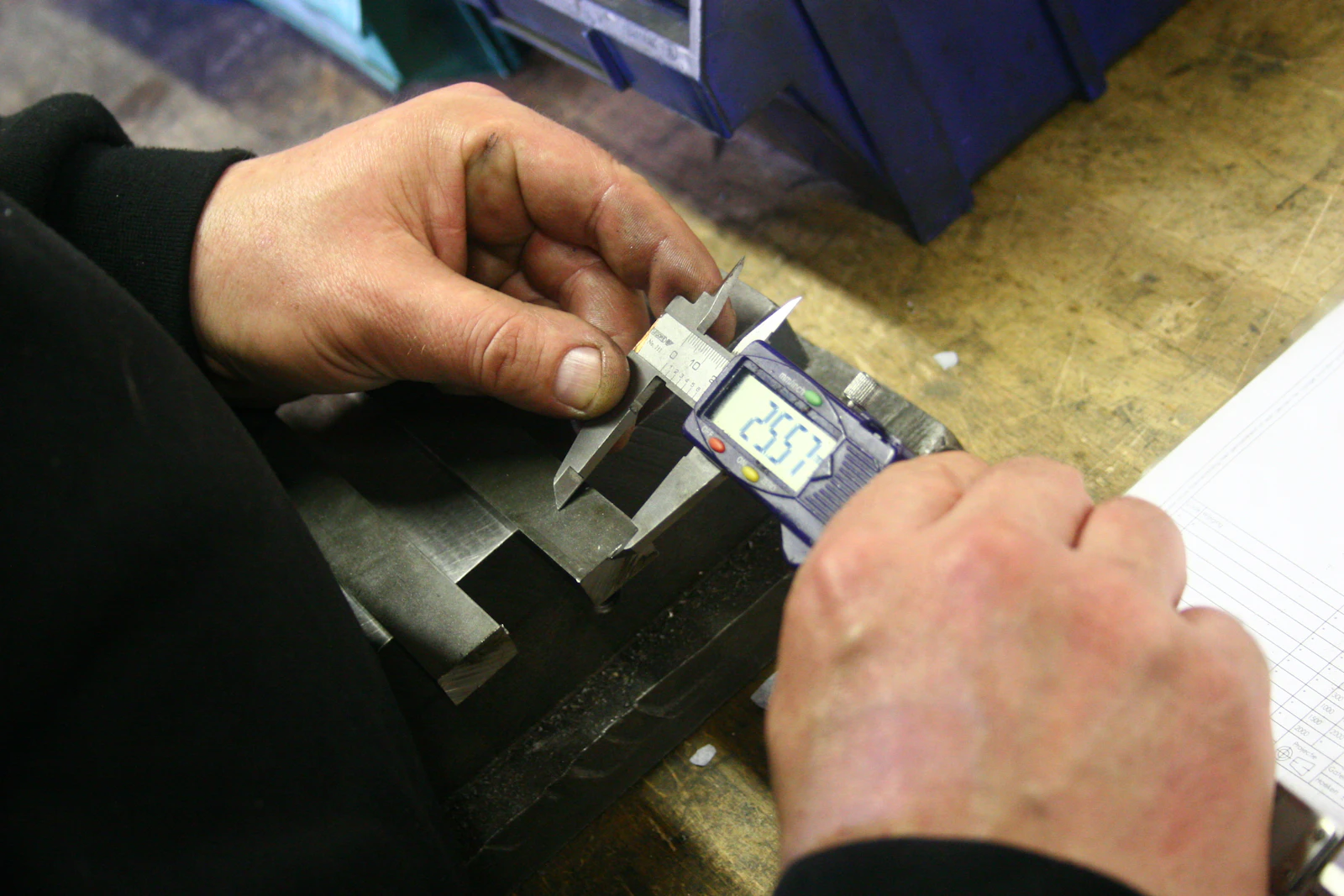
Hands using digital calipers on a metal component.

Manual measurement shown: current inspection effort is one input to a defensible payback case.

ScopeComplete system, not camera
BenefitVerified annual saving
PaybackInvestment ÷ benefit

Direct answer

What determines the cost of a machine vision system?

Cost is driven by the number and type of cameras, optics and lighting, software method, product handling, robot and tooling, line controls, safeguarding, installation, testing and data requirements. A reliable estimate needs the product range, decision, production rate and existing-line interfaces.

01 / Investment

Define the whole deliverable

Quotations are only comparable when they include the same responsibilities. Clarify who supplies the camera mounts, lighting shields, robot tooling, controls, rejection, guarding, installation, commissioning and production acceptance.

  • Vision hardware and software
  • Mechanical handling and tooling
  • PLC, HMI and line interfaces
  • Safety, installation and acceptance testing
02 / Benefit

Use evidence that production can verify

Potential value may come from reduced manual checking, lower scrap and rework, avoided escapes, improved throughput, better traceability or labour released to higher-value work. Avoid counting the same benefit twice.

  • Current labour and inspection method
  • Scrap, rework and customer escape cost
  • Constraint-related throughput loss
  • Downtime, changeover and support impact

Decision to action

Engineer the complete production loop.

Each stage is designed against representative products, real timing and the required physical outcome.

01

Baseline

Measure the current cost, rate and failure modes.

02

Scope

Define the complete proposed system and interfaces.

03

Benefit

Use conservative, auditable annual improvements.

04

Review

Compare payback with operational and technical risk.

Application opportunities

Where this capability can fit.

Final suitability follows from the product, presentation, rate, environment and acceptance criteria.

Comparable supplier scopes
Transparent investment case
Conservative payback model
Pilot and rollout planning
Acceptance measures
Total-cost-of-ownership review

Questions manufacturers ask

Budget and payback questions.

Use these answers to frame the first application review and the evidence needed next.

Can a budget be estimated before product trials?

A range may be possible from the initial scope, but trials reduce uncertainty around cameras, lighting, software, handling and acceptance effort. Final pricing should follow the evidence needed for the application.

How is simple payback calculated?

Simple payback in months equals project investment divided by verified annual benefit, multiplied by twelve. The calculation should state what is included and avoid unsupported savings.

Should the calculation include maintenance and support?

Yes where they are material. Consider planned maintenance, software or licence costs, calibration, spares, operator time, cleaning and the cost of future format changes.

What information improves quotation accuracy?

Product samples, current process video, target output, defect examples, format range, layout, retained equipment and required records allow suppliers to define risk and responsibility more clearly.

Start with the production task

Show us what the system needs to see and move.

Use the project brief form, or email product photos or video with the target output, current layout and required decision. We will define the next technical step.

Project brief